Food logistics Yard Management for the Food Industry
Food logistics is logistics with an expiration date. Freshness, temperature, hygiene and on-time processing directly determine quality, food safety and costs. myleo / dsc digitalizes your yard and plant logistics – from time slots, check-in and temperature checks to the ramp, silo or empties handling.
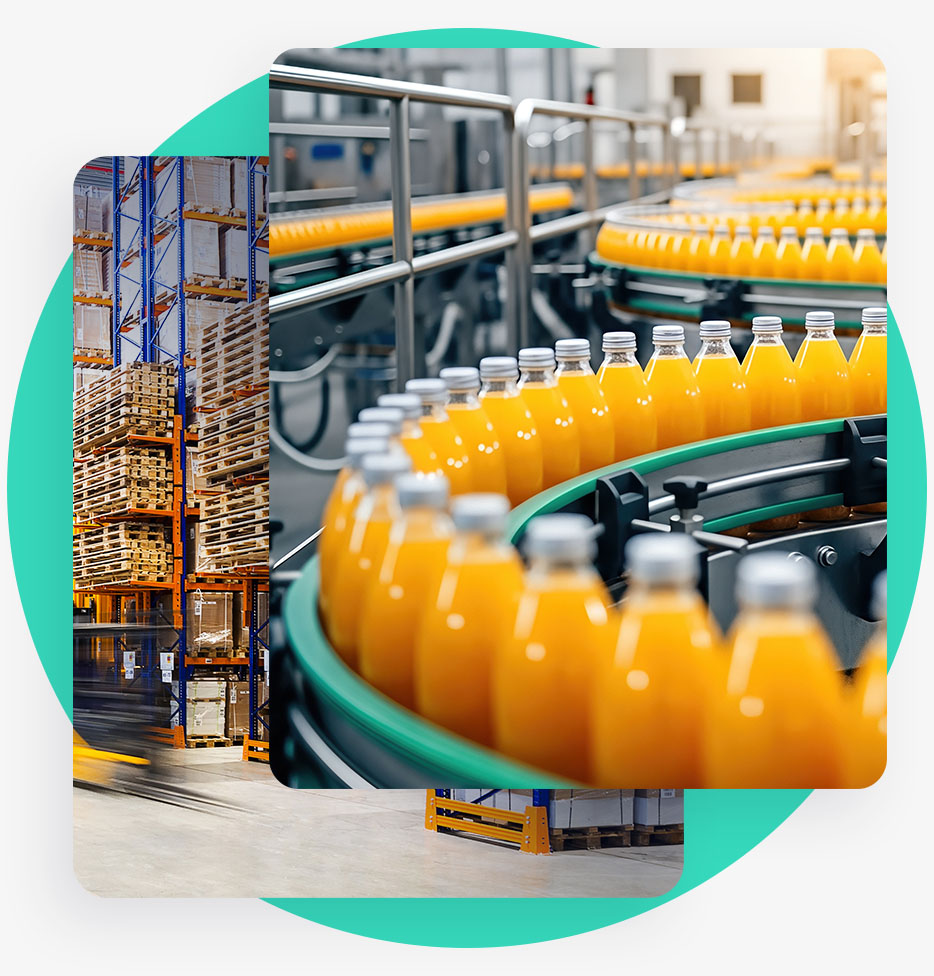
Industry pain points What are the logistical challenges in the food industry?
In the food and beverage industry, logistics is far more than transporting goods from A to B. It directly affects product quality, shelf life and audit readiness. Temperature-controlled goods, seasonal peaks, complex empties loops and strict hygiene requirements make the yard a critical control point.
Cold chain & freshness
Unplanned dwell times in front of the plant gate put the quality and shelf life of sensitive goods at risk. Incomplete temperature checks at check-in increase the risk of complaints, blocks and costly waste.
Seasonal peaks
Weather, harvest windows, promotions and holidays cause major peaks in truck handling. Without dynamic inbound control, queues form at the gate, chaos builds up in the yard, and pressure increases at the ramp, weighbridge and gatehouse.
Empties & reusable-container loops
Pallets, crates, barrels and reusable containers must be recorded, checked and returned in parallel with full-goods processes. Manual counting slows down loading and leads to discrepancies at check-out.
Hygiene & audit requirements
IFS, BRC and internal quality standards require traceable processes. Analog safety briefings, paper lists and manual checks tie up staff and are often difficult to prove cleanly in audits.
Mix of load types
Bulk silos, tankers, chilled goods and palletized finished goods share the same plant areas. Without intelligent separation, search traffic, blockages and resource conflicts arise at loading points.
Skilled labor shortage at gate and weighbridge
When check-in, safety briefings, document checks and weighing are handled manually, staff become the bottleneck – exactly where processes need to be fast, clean and repeatable.
The solution How myleo / dsc makes food logistics digitally controllable
With myleo / dsc, you get a smart, modular yard management system for the food industry – ideal for plants with sensitive goods, tight time slots, cold chains, empties flows and high requirements for hygiene and documentation.
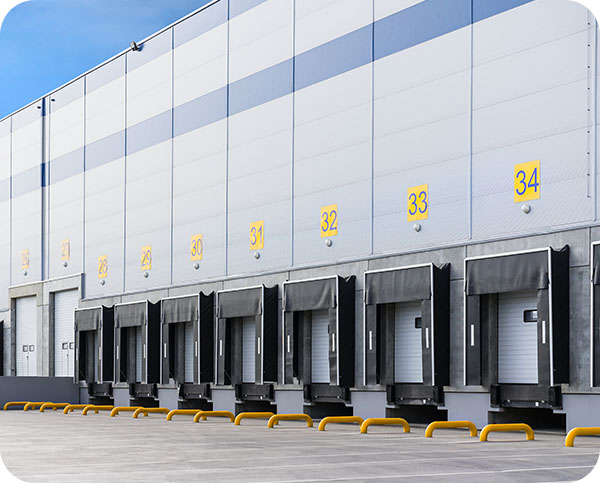
Prioritized handling based on the fresh-first principle
Dynamic slot allocation automatically prioritizes sensitive freight such as fresh and frozen goods. This reduces dwell times, uses ramps more purposefully and avoids quality risks early.
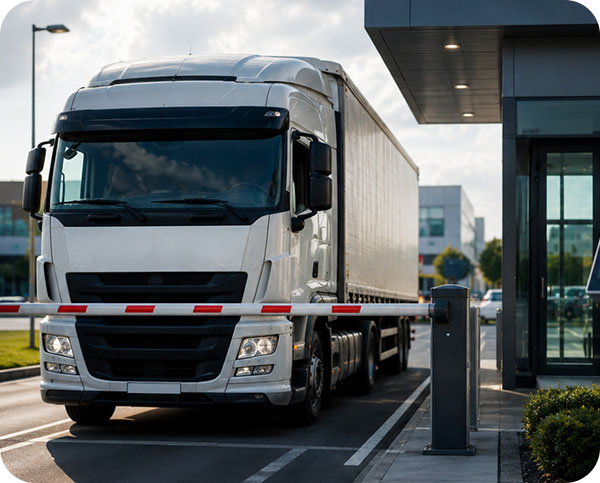
Integrated quality check at the gate
Temperature data, documents and checklists are requested digitally directly at check-in. If deviations occur, entry can be blocked or an exception process can be started.
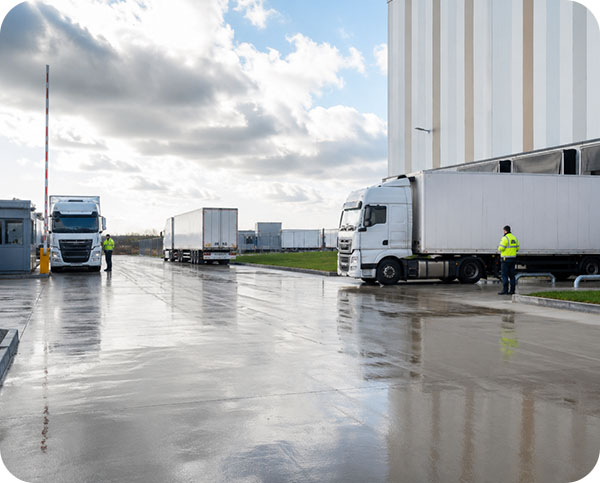
Dual slot booking for multi-stop processes
Unloading empties and loading full goods can be planned in one combined process. This shortens yard dwell time and speeds up ramp, weighbridge and loading-point operations.
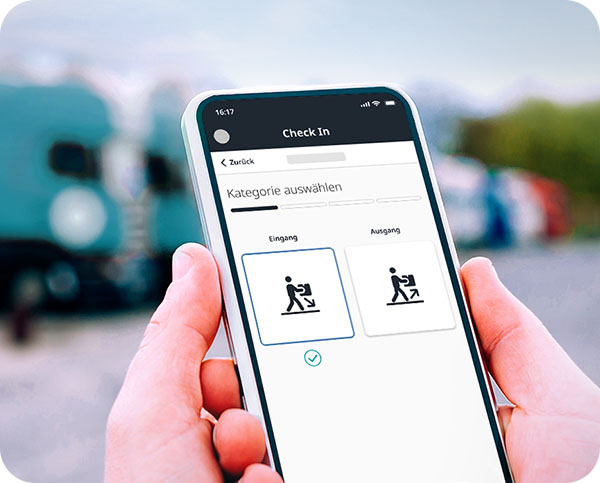
Automated self-service
Drivers complete safety briefings digitally and in their local language. Gatehouse and control room teams only intervene in exceptions – management by exception instead of constant phone calls.
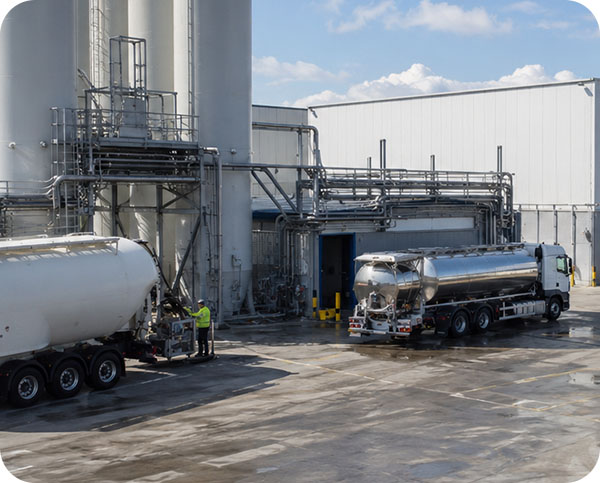
Material-based location control
myleo / dsc assigns vehicles based on the freight: silo unloading point, tank intake, refrigerated ramp, empties area or finished-goods ramp. This reduces travel distances, search traffic and blockages.
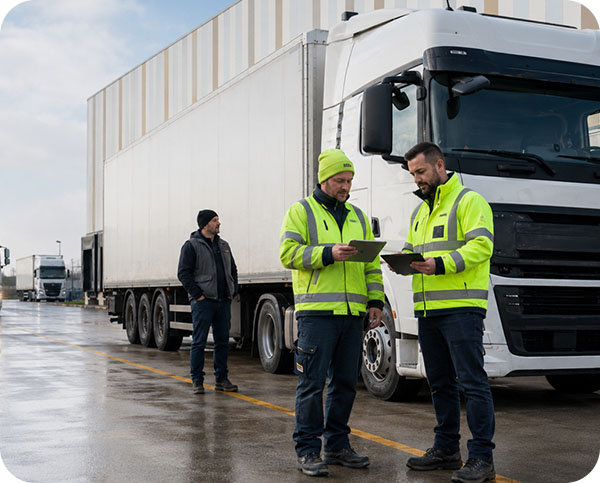
Digital documentation & audit readiness
Temperature checks, briefings, empties processes and check-outs are documented digitally and traceably – for internal controls, customer requirements and audits.
The images in this section are AI-generated illustrative images.
Food logistics Benefits at a glance
Digital food logistics ensures that freshness, temperature, hygiene, empties and ramp processes work together cleanly – from the plant gate to check-out.
Audit security
Every process step – from temperature checks to briefings – is recorded in an audit-proof way.
Legally compliant driver compliance
Automated safety briefings in the local language ensure that only instructed personnel enter the site.
Optimized ramp utilization
Synchronize truck arrival, ramp availability and goods readiness to avoid idle time in the loading process.
Resilience amid skilled labor shortages
Reduce staffing needs at the gatehouse and weighbridge through automated, repeatable and digitally guided processes.
Digital food logistics that pays off quickly
In a typical plant with around 150 truck arrivals per day, digital yard management can significantly reduce dwell times, manual effort at the gatehouse and weighbridge, discrepancies in the empties process, ramp idle time and quality risks.
Typical payback period:
approx. 5 to 8 months – depending on site size, load types, level of automation and existing manual effort.
Discuss savings potentialLess dwell time
Dynamic time slots and digital inbound control distribute arrivals more effectively and reduce waiting times at the gate, weighbridge and ramp.
Less manual effort
Self-service, digital briefings and automated checks relieve the gatehouse, weighbridge and control room.
Fewer discrepancies in the empties process
Pallets, crates, barrels and reusable containers are recorded digitally and returned more transparently.
Lower quality risks
Temperature checks, document checks and exception processes take effect early, before deviations turn into costly waste.
Fully integrated into your food logistics processes
Whether ERP, TMS, WMS or quality management:
myleo / dsc connects yard management with your existing systems. Advance-notice data, time slots, material information, temperature values, empties data and status messages converge digitally.
IoT & Hardware:
Barriers, self-check terminals, weighbridges, temperature capture, cameras, sensors, kiosk systems and yard displays can be integrated into the processes. This turns the plant gate into a digital control point for quality, safety and throughput.
Learn more about IoT integrationUse myleo / dsc to manage food logistics freshly, safely and efficiently
Master the complexity of your food logistics: from slot management, cold-chain control and empties management to audit-ready documentation.
This turns your yard from a waiting zone for perishable goods into the digital freshness hub of your supply chain.