Retail Logistics Platform Yard Management for Retail & Consumer Goods
In retail logistics, every minute counts: huge goods volumes, tight delivery windows, high cycle rates and limited yard space. myleo / dsc digitalizes site, yard and transport logistics end to end – so trucks, docks, empties, staff and goods flow work together seamlessly.
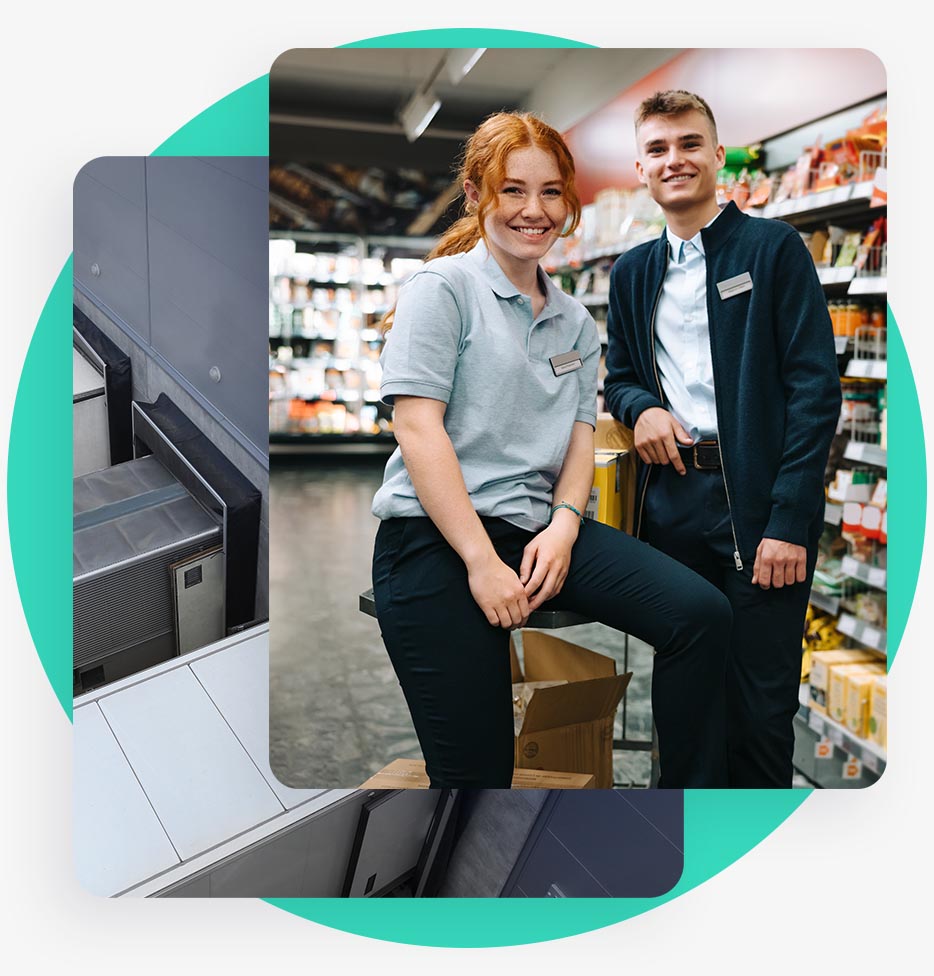
Industry pain points What are the logistical challenges in retail?
In retail and consumer goods logistics, the yard is the pulse of the site. This is where warehouse operations, logictsics service providers, empties, dock scheduling and outbound goods come together. If things do not run smoothly on the yard, the impact is immediate: at the gate, at the dock, in the warehouse and, in the worst case, directly in the store.
Massive truck volumes
Hundreds of arrivals per day can quickly turn into chaos at the gate and across the site without digital control. What starts as a quick delivery soon becomes “please join the back of the queue”.
Extreme peak loads
Unplanned wave arrivals overload docks and staff at the same time, while valuable capacity remains unused at other times. The result: stress in the morning, idle time in the afternoon.
Empties bottlenecks
If pallets, load carriers or special containers are not available on time, picking, packing or outbound goods come to a halt. Suddenly, it is not just one truck that stops – the entire process slows down.
The yard black box
A lack of transparency around trailers, swap bodies, parking positions and dock status leads to search traffic, follow-up questions and delays. The yard becomes a treasure map – unfortunately without the X.
Time pressure & safety risks
High cycle rates, many external drivers and tight maneuvering areas increase the risk of errors and accidents. Especially with heavy traffic, the yard needs clear digital guardrails.
Demurrage & cost pressure
Long waiting times, search traffic and manual coordination cost time and money. With high goods volumes, small delays quickly add up to real bottlenecks.
The solution How myleo / dsc makes retail logistics digitally controllable
With myleo / dsc, you get a modular cloud platform designed specifically for high volumes, fast cycles and complex yard processes in retail and consumer goods logistics.
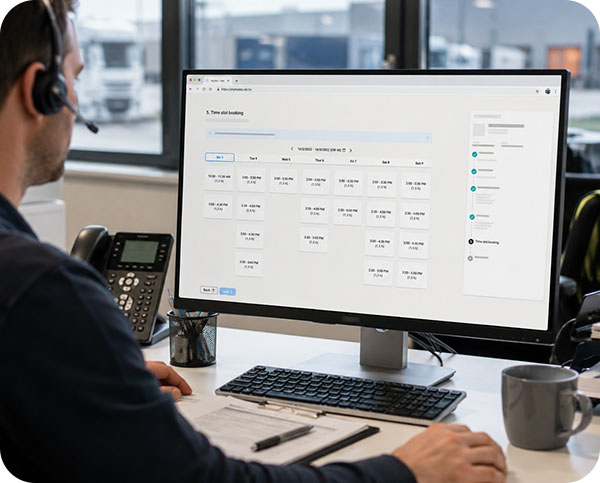
Collaborative appointment scheduling
Instead of letting trucks arrive without coordination, carriers simply schedule their slots digitally. The platform aligns time slots with the actual capacities of docks, staff and the site.

Digital self-check-in
Drivers check in independently via smartphone or self-service terminal – in their own language. This reduces workload at the gate and speeds up the entire process.

Gate automation
License plate recognition and automated barrier control handle physical access. This makes inbound traffic more predictable, safer and significantly faster.
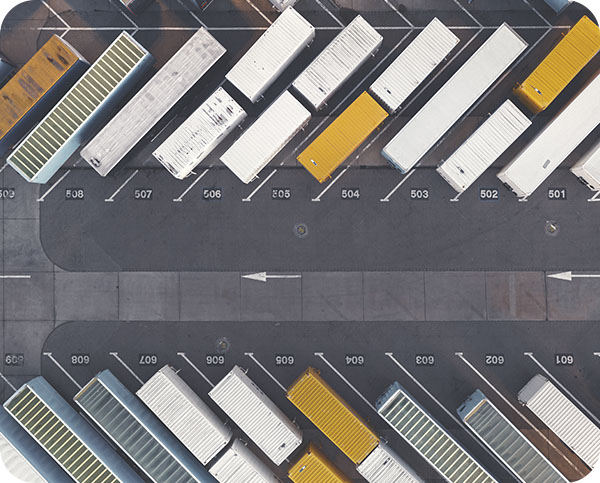
Dynamic yard control
myleo / dsc automatically assigns parking spaces, waiting areas and docks. Prioritization happens in real time based on urgency, slot, dock status and goods flow.
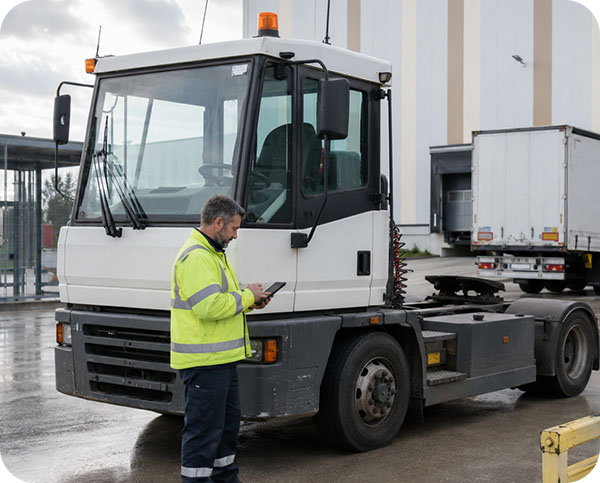
Shunter app
Yard drivers receive their tasks directly on a tablet or smartphone. Trailers, swap bodies and dock movements are coordinated digitally instead of by radio or verbal instructions.

Transparency from gate to dock
Whether arrival, check-in, parking space, dock assignment, unloading, loading or check-out: every movement becomes visible – without phone chains, radio chaos or Excel gymnastics.
The images in this section are AI-generated illustrative images.
Retail logistics Benefits at a glance
Digital retail logistics ensures that high goods volumes, tight delivery windows, docks, staff and logistics service providers work together more effectively – from gate to dock.
Smoothing peak loads
Instead of receiving 20 trucks at the same time at 8:00 in the morning, traffic is distributed evenly throughout the day.
Higher throughput
Turnaround time decreases significantly. Your site can handle more volume without needing new docks, space or buildings.
Real-time transparency
Dashboards show traffic volumes, dock utilization, delays, waiting times and throughput times.
More attractive for carriers
Sites with short waiting times are preferred by carriers. Especially in times of driver shortages, a good carrier experience is a competitive advantage.
Savings potential in retail and consumer goods logistics
At a typical retail or consumer goods site with around 100 truck arrivals per day, digital yard management and slot management can deliver noticeable impact.
Typical payback period:
Approx. 6 to 10 months – depending on site size, truck volumes, dock structure and current level of digitalization.
Discuss savings potentialLess waiting time at the gate
Digital slot and access control reduces backlogs, pressure on waiting areas and unnecessary inbound delays.
Shorter check-in and check-out processes
Self-check-in, digital instructions and automated gate processes speed up handling on site.
Better dock utilization
Time slots, docks and staff are coordinated with one another. This allows existing capacities to be used more efficiently.
Less search traffic on the yard
Transparent information on parking spaces, trailers and docks prevents unnecessary driving and follow-up questions across the site.
Lower demurrage costs
Shorter waiting and throughput times reduce standing costs and improve planning reliability for carriers and site teams.
More truck handling per shift
With structured processes, better dock utilization and digital control, the site can handle more volume per shift.
Make retail logistics faster, more transparent and more predictable with myleo / dsc
myleo / dsc combines slot management, digital gate, yard management, shunter control, dock scheduling and real-time transparency in one platform. For retail and consumer goods companies, this means: less congestion, less searching, lower demurrage costs – and significantly more control over high goods volumes.